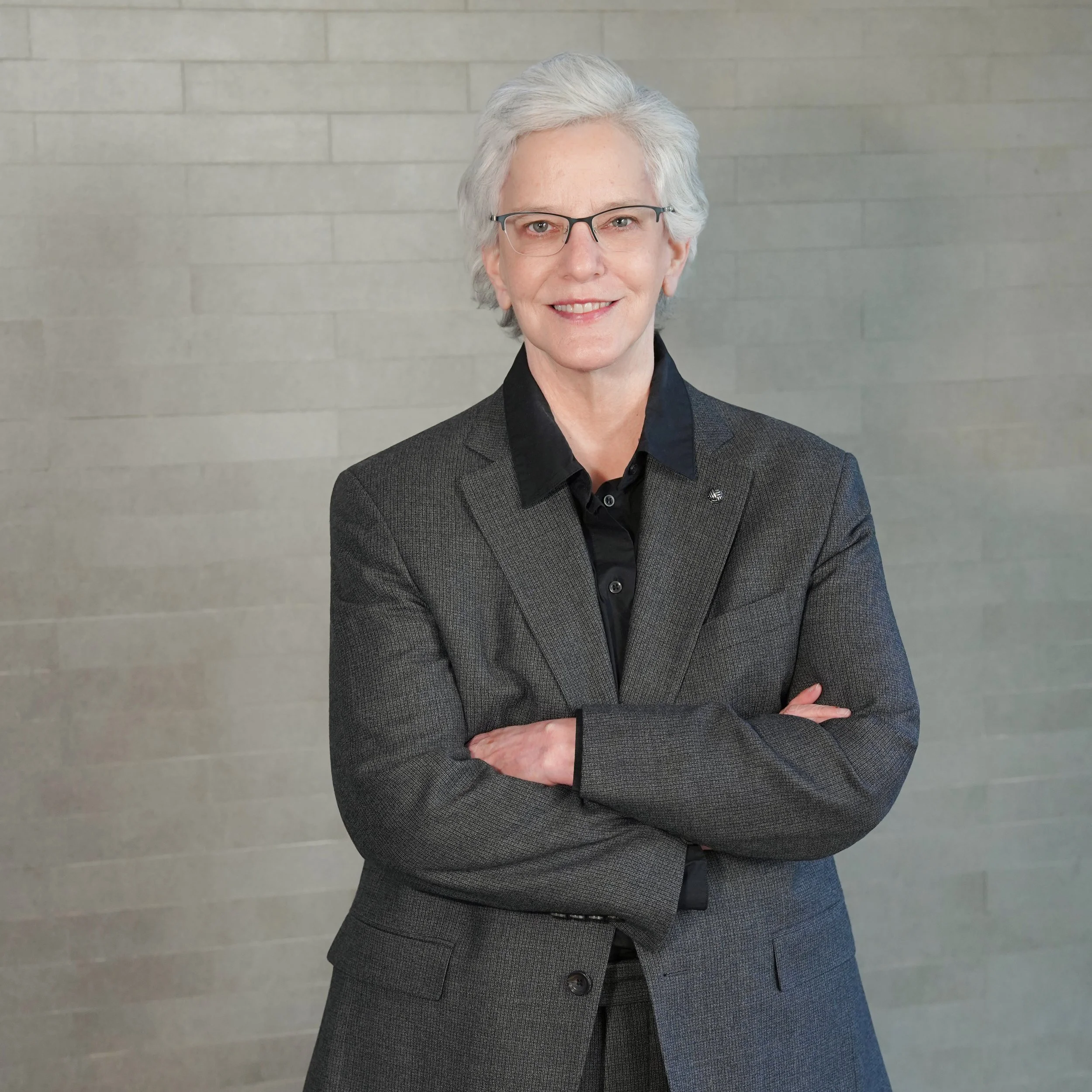
Milissa L. Kaufman, MD, PhD
Milissa Kaufman, MD, PhD, is a trauma psychiatrist, clinician, and researcher focused on advancing evidence-based care for individuals affected by post-traumatic stress disorder and dissociative identity disorder. As Kingdon Saylor Endowed Director of Trauma Programs at McLean Hospital, she provides strategic leadership across trauma-focused clinical services, research initiatives, and educational programs. Dr. Kaufman founded and co-directs the Dissociative Disorders and Trauma Research Program and serves as Medical Director of the Trauma Continuum of Care at Hill Center.
Dr. Kaufman plays a central role in building clinical and research capacity in trauma psychiatry. She directs both the Trauma Scholar Program and the Initiative for Integrated Trauma Research, Training, and Care at McLean and oversees trauma psychiatry education for the Massachusetts General Hospital/McLean Hospital Psychiatry Residency. She serves on the Board of Directors of the International Society for the Study of Trauma and Dissociation and has received numerous local, national, and international awards recognizing contributions to research, clinical care, and training.
Research Focus:
Dr. Kaufman’s work focuses on the assessment, treatment, and neurobiological investigation of trauma-spectrum disorders. Her research spans post-traumatic stress disorder (PTSD), the dissociative subtype of PTSD, and dissociative identity disorder (DID), with a particular emphasis on the phenomenology and neural mechanisms of trauma-related dissociation and its response to treatment. She has published extensively in these areas.
The Dissociative Disorders and Trauma Research Program (DDTRP), co-led by Dr. Kaufman and Dr. Lauren Lebois, uses a multimodal approach to study trauma-related dissociation, integrating clinical and neurocognitive assessment with functional and structural neuroimaging and genetic methods.
A central aim of the program is the identification of biomarkers of dissociation and recovery. This biomarker-focused work has been supported by multiple awards from the National Institute of Mental Health (NIMH). In parallel, the research program has been a long-term contributor to large-scale, international collaborations that integrate neuroimaging and genetic findings across trauma-related disorders to inform clinically meaningful insights. Together, these efforts advance precision-informed, personalized treatment approaches for individuals affected by trauma and dissociation.
For more than a decade, the lab has partnered with a DID/PTSD lived-experience advisory panel (LEAP). Panel members contribute to study design, implementation, and dissemination, helping to shape research questions, contextualize findings, and guide responsible communication of results.
The research program also provides interdisciplinary training and mentorship for research and clinical trainees, fostering the development of investigators and clinicians with expertise in trauma, dissociation, and translational neuroscience. Together, these efforts ensure that the program’s research remains patient-centered, clinically relevant, and sustainable.